2026-09-17 ·
How to Size a Dumpster for a Fremont Home Addition Project
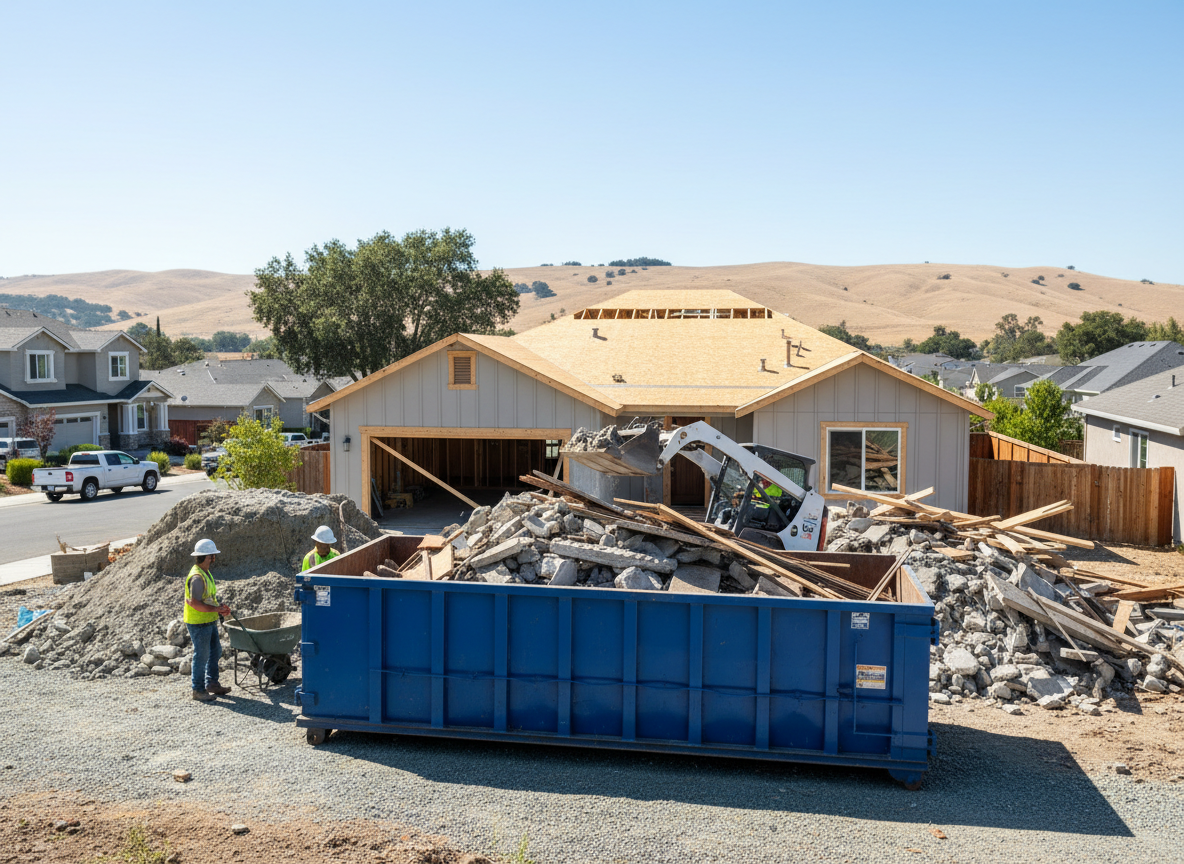
For a typical Fremont home addition such as a family room or garage extension, a 20-yard or 30-yard dumpster handles the resulting debris load in most cases. The exact size depends on whether you are tearing out an old foundation section, framing new walls, or finishing interiors, and on the limited access common in Downtown Fremont or the Fremont Lake Area.
Assessing Project Scope and Debris Volume
Start by breaking the addition into phases. Foundation work and framing produce heavy concrete and lumber that fill space quickly, while drywall and packaging from later stages add lighter but bulkier waste. Measure the square footage of the addition and estimate one cubic yard of debris per 100 square feet of framed space as a baseline. In Newaygo County, many homes built before 1970 have plaster walls and older lumber that weigh more than modern materials, so add 10 to 15 percent extra capacity. Walk the site with your contractor to count large items such as old windows, doors, and roofing sections that will not compact well.
Choosing the Right Dumpster Size
A 10-yard unit suits small bump-outs under 200 square feet. Most standard additions between 300 and 600 square feet fit in a 20-yard container when debris is broken down. Larger projects or those including demolition of an existing porch require a 30-yard or 40-yard dumpster. Overloading triggers extra fees, so request the next size up if you expect mixed heavy and bulky waste. Local operators serving Fremont Lake Area properties often recommend starting with the 20-yard and adding a second container rather than guessing high on the first load.
Local Conditions That Affect Sizing
Fremont sits in a humid continental climate with cold, snowy winters and warm summers. Snow accumulation on driveways in January and February narrows access routes, so crews sometimes need a smaller container that fits between snowbanks or a larger one delivered before heavy snow arrives. Soil near Fremont Lake tends to be sandy and can soften in spring, limiting where heavy trucks can park without damaging lawns. Older housing stock in Downtown Fremont often has narrow side yards, making a 20-yard roll-off the practical maximum for many lots. Properties closer to Arboretum Park may face additional placement restrictions due to tree roots and slopes.
Placement, Permits, and Access in Fremont
Position the dumpster on a hard surface such as a driveway or street pad when possible to avoid lawn damage. Check with the City of Fremont before blocking any public right-of-way; many streets in the Fremont Lake Area require a permit for street placement. Do You Need a Permit for a Dumpster on Your Fremont Street outlines the current process. Keep at least 10 feet of clearance on one side for the truck to drop and pick up the container. In winter, clear snow from the placement area several days ahead so the driver can set the unit level.
Timing and Seasonal Planning
Schedule delivery after the foundation is poured but before interior demolition begins to keep one container working through multiple phases. Winter deliveries in Newaygo County require extra lead time because frozen ground and snow can delay trucks. Summer projects near Fremont Lake benefit from earlier morning drops before afternoon heat softens driveways. If your addition generates yard waste along with construction debris, review Managing Yard Waste After Fall Cleanup on Rural Fremont Lots for separate handling options. A single well-sized container keeps the job moving without repeated trips.
Working With Local Rental Services
Contact Construction Dumpster Rental providers who know Newaygo County routes and can advise on size based on photos of your site. Confirm 24/7 availability for delivery and pickup so weather delays do not halt progress. Ask about weight limits, as concrete and dirt from foundation work add pounds fast. Clear communication about access points in the Fremont Lake Area prevents last-minute size changes and extra charges.